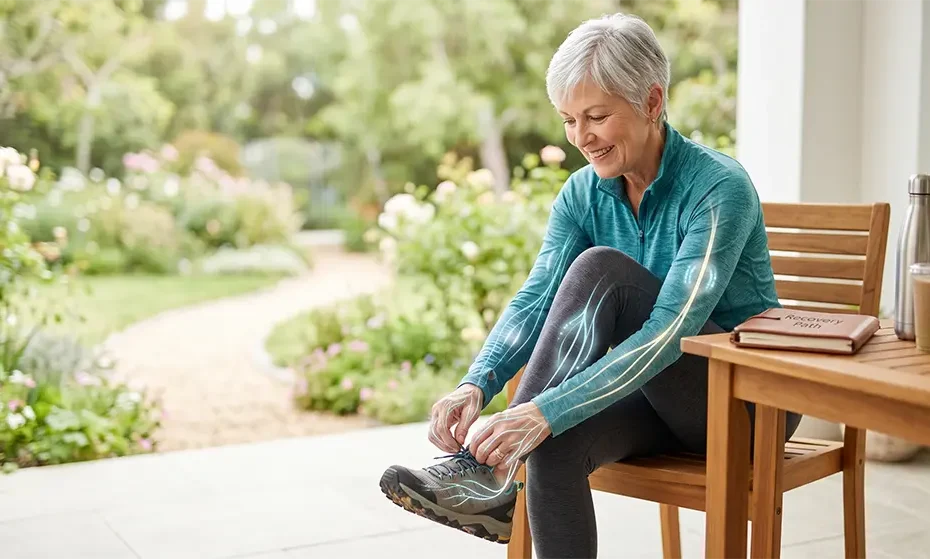
Chemotherapy-induced peripheral neuropathy (CIPN) can cause burning, tingling, numbness, and balance changes that persist even after treatment ends. Nerves may recover slowly, and symptoms can fluctuate with stress, sleep, and activity. A structured neuropathy plan focused on circulation, signaling support, and safety can improve quality of life and function.
CIPN can persist because nerve recovery lags behind cancer treatment timelines.
- Safety and fall prevention are critical when sensation is altered.
- A targeted neuropathy program may improve comfort, sleep, and walking confidence over time.
Last updated: April 14, 2026
Reviewed by: Neuropathy Relief Center of Miami team
CIPN is one of the most frustrating side effects for many cancer survivors because it affects daily life long after the main treatment is finished. Patients often say:
- “The cancer treatment ended, but my feet still burn.”
- “My fingertips tingle constantly.”
- “I feel less stable on stairs.”
- “It’s worse at night and on fatigue days.”
At the Neuropathy Relief Center of Miami, we see patients across Miami, Fort Lauderdale, Miami-Dade, Broward, and the Florida Keys, including visitors who travel from the USA, Colombia, Chile, Argentina, Mexico, and the Caribbean for care while staying with family or visiting Florida.
This blog is educational and not medical advice. Cancer survivors should coordinate any neuropathy care with their oncology team as appropriate.
Why chemotherapy neuropathy can persist
There are a few reasons CIPN can remain even after chemotherapy ends:
1) Nerve recovery can be slow
Nerves often recover more slowly than other tissues. Many patients notice gradual improvement over months, not days.
2) Symptoms can fluctuate with “system stress”
Sleep disruption, dehydration, infections, stress, and long travel days can amplify symptoms even if baseline is slowly improving.
3) The nervous system becomes more reactive
When nerves are irritated, the brain perceives signals as louder. That’s why small triggers like heat, tight socks, or standing too long can feel dramatic.
What CIPN typically feels like
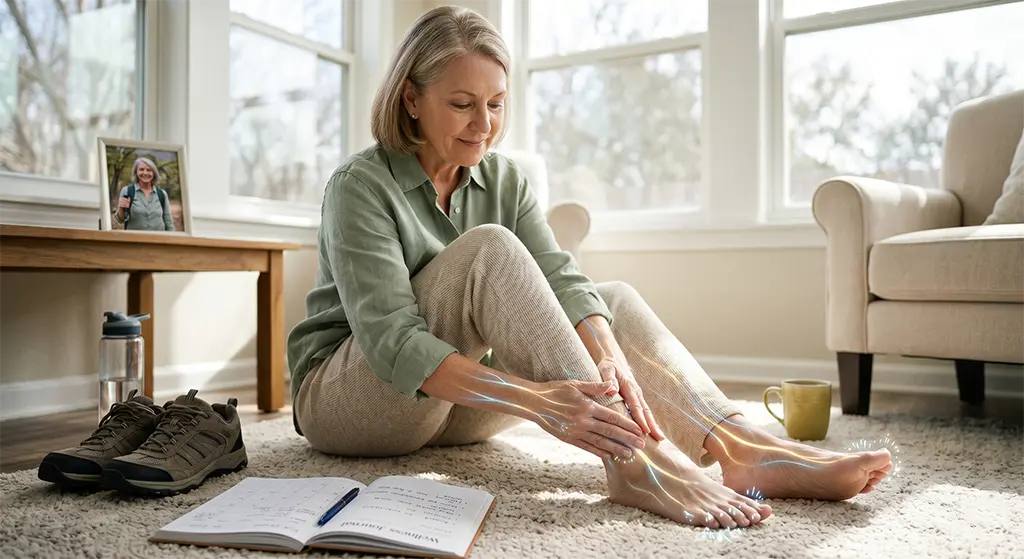
- burning in feet or hands
- tingling and buzzing
- numbness (“cotton feet”)
- cold-to-hot swings
- sensitivity to sheets or socks
- balance changes (especially in low light)
Why safety matters more than people realize
Reduced sensation is not just discomfort it changes your risk profile. Common injury patterns include:
- blisters from friction you didn’t feel
- hot pavement burns in Florida summers
- trips and falls from reduced ground feedback
- delayed wound detection
In Miami homes with tile, and especially in the Keys (sand, docks, uneven surfaces), safety strategies matter.
A structured approach to improving function (general guidance)
Step 1: Symptom and trigger mapping
Track:
- nighttime vs daytime severity
- heat sensitivity
- standing still vs walking
- footwear triggers
- sleep quality and wakeups
Step 2: Foot protection standards
- supportive footwear (secure heel, stable sole)
- avoid barefoot on hot pavement and cold tile
- daily inspection for redness/hot spots
- moisture control in humid climates
Step 3: Sleep support
Sleep affects pain sensitivity. Simple improvements:
- reduce overheating at night
- earlier dinners if late meals flare symptoms
- consistent schedule
- limit late stimulants
Step 4: Activity pacing
Movement helps circulation, but overdoing it can trigger delayed burning. Gradual tolerance building is key.
How the Dr. Alfonso Neuropathy Treatment Protocol can help
Many neuropathy programs focus on supporting the nerve environment. The Dr. Alfonso protocol is designed to support:
- 🩸 microcirculation
- ⚡ nerve signaling stability and repair support
- 🌿 inflammation and oxidative stress reduction
- 🧠 metabolic and recovery foundations
Even when the original cause is chemotherapy, improved circulation and signaling stability can improve comfort and function for many patients.
When to seek evaluation promptly
- rapidly worsening weakness
- new severe balance changes
- new wounds or signs of infection
- symptoms spreading quickly up limbs
FAQs
Can neuropathy continue after chemo ends?
Yes. CIPN can persist because nerve recovery may take months or longer.
Why is it worse at night?
Stillness and heat can amplify nerve signals, and end-of-day swelling can increase pressure.
Can balance improve?
Many patients improve walking confidence with targeted care, safety upgrades, and stability-building strategies.
Should I coordinate with my oncology team?
Yes, especially if symptoms are changing or you’re adding new therapies.
References
- NINDS: Peripheral neuropathy overview
- National Cancer Institute / oncology education resources on chemotherapy side effects (general CIPN education)
Clinic: Neuropathy Relief Center of Miami
Address: 8585 Sunset Drive, Suite 104, Miami, FL 33143
Call: 305-274-7475
Learn more: Neuropathy Treatment Miami
Book your consultation today: Appointments

Sincerely Yours for Health,
Dr. Rodolfo Alfonso, D.C.
8585 Sunset Drive,
STE 104
Miami, FL 33143
Ph: 305-275.7475
www.neuropathyreliefmia