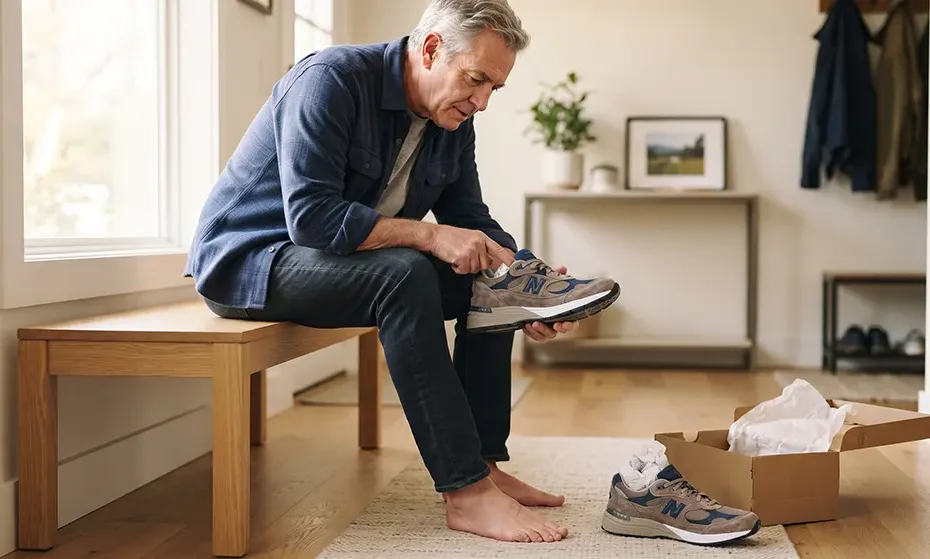
New shoes can be risky for neuropathy patients because reduced sensation may hide rubbing, pressure, blisters, and skin damage. “Breaking in” shoes by wearing them all day can create wounds before you feel pain. Neuropathy patients should test new shoes gradually, inspect feet carefully, and avoid wearing unproven footwear during travel, errands, or long walking days.
- New shoes often create pressure points before they feel painful.
- Neuropathy can hide blisters, strap marks, and skin breakdown.
- Safe footwear habits plus the Dr. Alfonso Neuropathy Treatment Protocol protect mobility and long-term foot health.
Last updated: April 14, 2026
Reviewed by: Neuropathy Relief Center of Miami team
Many people “break in” new shoes by wearing them for a full day. For neuropathy patients, that can be dangerous.
Patients often say:
- “I wore new shoes and got a blister I didn’t feel.”
- “They felt fine in the store, but my feet burned later.”
- “My toes went numb after a few hours.”
- “The shoes left red marks.”
- “I wore them on vacation and my foot flared.”
At the Neuropathy Relief Center of Miami, we see this in patients across Miami, Fort Lauderdale, Miami-Dade County, Broward County, and the Florida Keys, and in visitors from the USA, Colombia, Chile, Argentina, Mexico, and the Caribbean. New shoes are especially risky during travel, weddings, conferences, beach trips, cruises, and long walking days.
This blog is educational. If you have diabetes, wounds, severe numbness, foot deformity, or circulation concerns, footwear should be discussed with a qualified provider.
Why new shoes are risky with neuropathy
New shoes are stiff. They may have seams, pressure points, tight toe boxes, heel rubbing, or arch pressure. With normal sensation, discomfort tells you to stop wearing them. With neuropathy, that warning may be reduced.
Damage can happen before pain appears.
New shoes may cause:
- blisters
- callus irritation
- toe numbness
- heel rubbing
- pressure marks
- nail irritation
- burning flares
- balance changes
- hidden skin breakdown
“They felt fine in the store” is not enough
A shoe can feel comfortable for five minutes and still be unsafe for five hours. Feet swell as the day goes on. Walking creates friction. Heat increases swelling. Thin socks may shift. Sand or debris may enter. A minor pressure point can become a blister.
This is why store comfort is only the first test.
The travel-day mistake
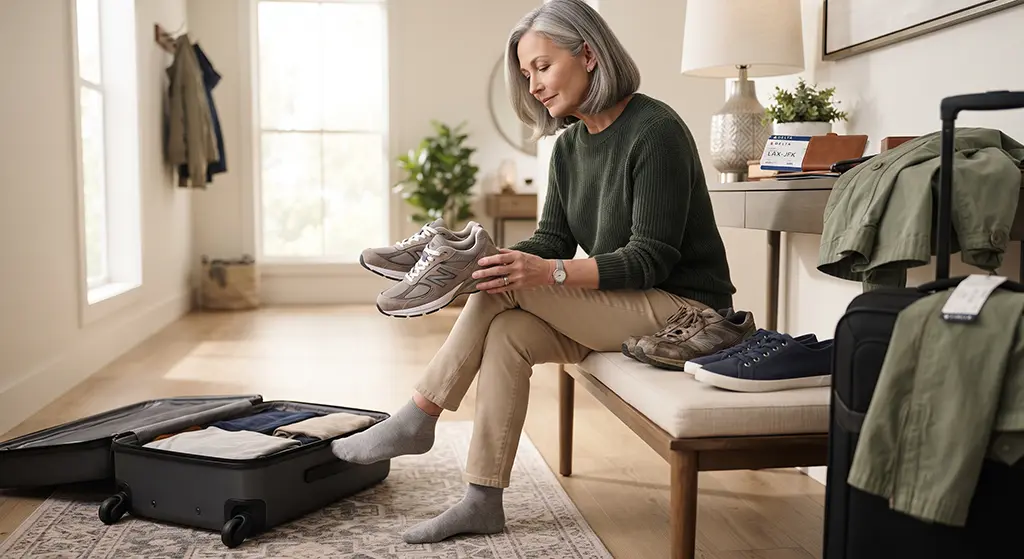
One of the worst times to wear new shoes is during travel. Travel days often include:
- long airport walks
- standing in lines
- carrying luggage
- sitting for hours
- swelling
- dehydration
- unfamiliar surfaces
- delayed foot inspection
New shoes plus travel is a common recipe for blisters and neuropathy flares.
The South Florida shoe challenge
In Miami, Fort Lauderdale, Broward, Miami-Dade, and the Florida Keys, shoes must handle heat, humidity, sweat, tile floors, sidewalks, beach paths, and rain. A shoe that works in a cool store may feel different in South Florida weather.
Heat and humidity can cause:
- swelling
- sweating
- strap friction
- soft skin
- odor
- fungal irritation
- blister risk
How to test new shoes safely
Start indoors
Wear new shoes indoors for 15–30 minutes at first. Then inspect your feet.
Check pressure areas
Look at:
- toes
- heels
- sides of feet
- ball of foot
- top of foot
- around toenails
- callus areas
Increase time gradually
If no redness or pressure marks appear, increase wear time slowly.
Avoid long walks at first
Do not wear new shoes for errands, travel, festivals, beach walks, or standing events until they are proven safe.
Use the right socks
Socks should reduce friction without crowding the toes.
What to look for after wearing new shoes
Warning signs include:
- redness that lasts
- deep pressure marks
- blisters
- numb toes
- burning in one new spot
- heel irritation
- nail pressure
- skin peeling
- swelling above the shoe edge
If you see these signs, stop using the shoes until the issue is corrected.
How the Dr. Alfonso Neuropathy Treatment Protocol helps
Footwear protects the outside. Nerve treatment supports the inside.
The Dr. Alfonso Neuropathy Treatment Protocol supports:
- 🩸 Microcirculation to the feet and legs
- ⚡ Nerve signaling stability and repair support
- 🌿 Inflammation and oxidative stress reduction
- 🧠 Metabolic foundations that influence healing and protective sensation
As nerve function improves, patients may detect pressure earlier and tolerate activity better. But safe shoe habits are necessary right now.
When to seek evaluation
Seek evaluation if:
- new shoes cause repeated blisters
- you do not feel pressure injuries
- wounds appear
- toes go numb in shoes
- calluses worsen
- balance changes with footwear
- shoe fit changes because of swelling
FAQs
Can new shoes be dangerous with neuropathy?
Yes. Reduced sensation can hide pressure, rubbing, and blisters until skin damage has occurred.
How should neuropathy patients break in new shoes?
Start with short indoor wear, inspect feet, and increase time gradually.
Should I wear new shoes while traveling?
Avoid wearing untested shoes during travel or long walking days.
What shoe features are safest?
Look for a roomy toe box, secure heel, stable sole, smooth interior, and enough depth to avoid pressure.
References
- CDC: Foot care and daily inspection guidance
- NINDS: Peripheral Neuropathy overview
Clinic: Neuropathy Relief Center of Miami
Address: 8585 Sunset Drive, Suite 104, Miami, FL 33143
Call: 305-274-7475
Learn more: Neuropathy Treatment Miami
Book your consultation today: Appointments

Sincerely Yours for Health,
Dr. Rodolfo Alfonso, D.C.
8585 Sunset Drive,
STE 104
Miami, FL 33143
Ph: 305-275.7475
www.neuropathyreliefmia