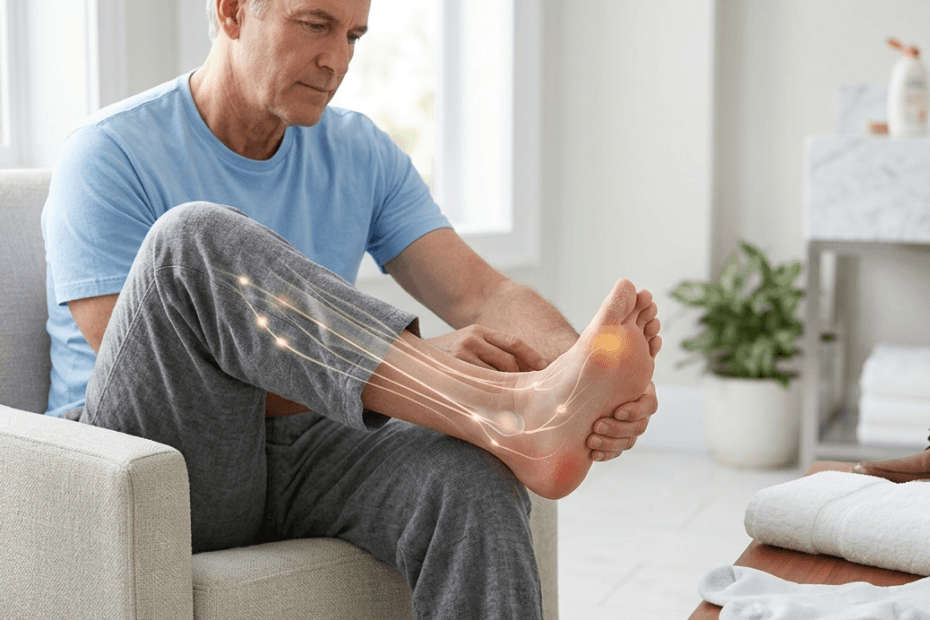
Neuropathy reduces protective sensation, so small skin problems can become serious wounds before you feel pain. Daily inspection, safer footwear, and early intervention for redness or hot spots can prevent many complications.
- Reduced sensation means you may not feel blisters forming.
- Early signs include redness, warmth, cracks, and drainage not just pain.
- Nerve-focused care supports circulation and tissue resilience, reducing risk.
Last updated: April 7, 2026
Reviewed by: Neuropathy Relief Center of Miami team
One of the most preventable neuropathy complications is a wound that started as something small especially in warm climates like Miami, Fort Lauderdale, and the Florida Keys, and among travelers from the USA, Colombia, Chile, Argentina, Mexico, and the Caribbean.
Many patients say:
- “I didn’t feel the blister forming.”
- “It started as a small red spot.”
- “By the time I noticed, it was already bad.”
Why Wounds Are Different with Neuropathy
Neuropathy reduces pain signals that normally warn you to stop. Without that warning system, friction and pressure can damage skin silently.
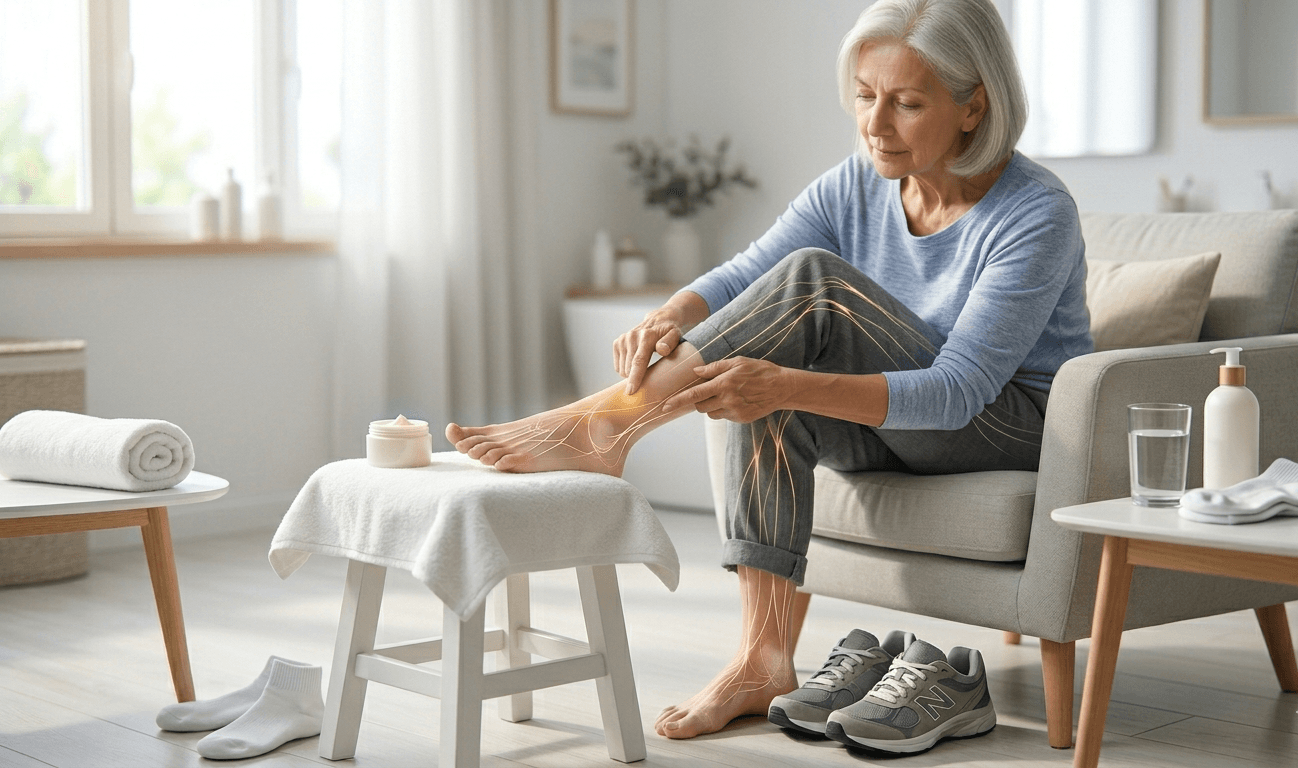
5 Early Signs People Miss
1) Redness that doesn’t fade
A persistent red spot is often friction or pressure injury.
2) Warmth in one area
Localized warmth can be irritation or early infection.
3) Cracks in dry skin
Cracks open the door for bacteria and fungus.
4) Drainage or “wetness” in socks
Even small drainage is a big warning sign.
5) Swelling plus tenderness (or no tenderness)
Swelling can hide a developing wound even if you don’t feel it.
What to Do Immediately (General Guidance)
- Stop the friction source (change shoes/socks).
- Clean and dry the area.
- Reduce walking load temporarily.
- Inspect daily and monitor for worsening.
- Seek medical care promptly if redness spreads or drainage appears (especially with diabetes).
How the Dr. Alfonso Neuropathy Treatment Protocol Helps Reduce Risk
The protocol supports the internal environment needed for healthier nerves and tissues:
- 🩸 microcirculation (tissue resilience and healing capacity).
- ⚡ nerve function (protective sensation over time).
- 🌿 inflammation/oxidative stress reduction.
- 🧠 metabolic control (critical for wound risk).
The Daily Habit That Prevents Most Wounds
Every day:
- inspect feet.
- check inside shoes.
- treat hot spots early.
- choose protective footwear for longer walks.
FAQs
Why don’t neuropathy patients feel wounds forming?
Reduced sensation delays the warning pain signals that normally stop damage early.
What’s the first sign of a neuropathy wound?
Often a persistent red spot, warmth, or a hot spot from friction.
Should I go barefoot at home?
Usually not, especially on tile or outdoors, because cuts and burns can go unnoticed.
When should I seek medical care?
If redness spreads, drainage appears, skin breaks, or you have diabetes seek care promptly.
References
- CDC: Foot care and ulcer prevention guidance (applies broadly to reduced sensation safety).
- American Diabetes Association: Neuropathy and foot complication prevention education.
Clinic: Neuropathy Relief Center of Miami.
Address: 8585 Sunset Drive, Suite 104, Miami, FL 33143.
Call: 305-274-7475.
Learn more: Neuropathy Treatment Miami
Book your consultation today: Appointments

Sincerely Yours for Health,
Dr. Rodolfo Alfonso, D.C.
8585 Sunset Drive,
STE 104
Miami, FL 33143
Ph: 305-275.7475
www.neuropathyreliefmia