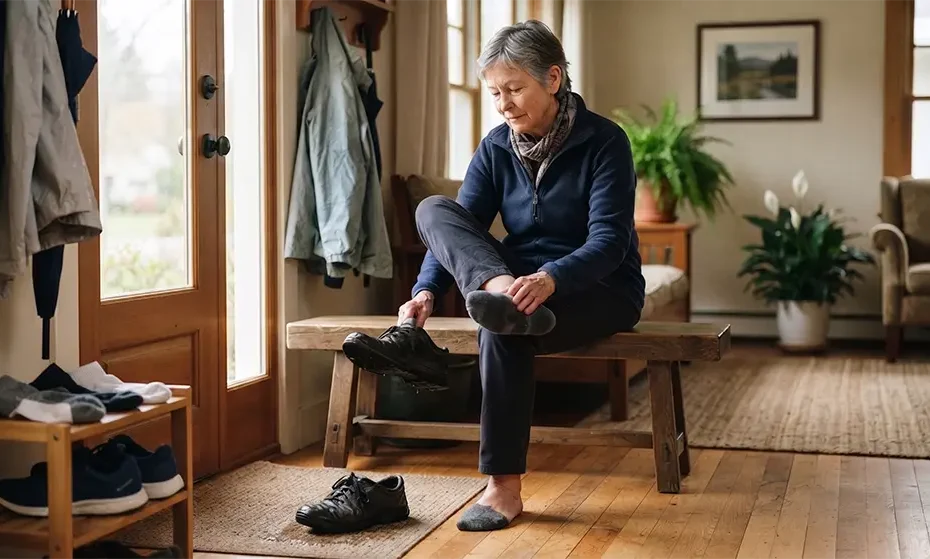
Wet shoes can be a bigger problem for neuropathy patients than most people realize. Rain, sweat, beach water, and Miami humidity can soften skin, increase friction, worsen odor, raise fungal risk, and hide blisters or pressure injuries. If you have burning, numbness, tingling, or reduced protective sensation, keeping feet dry and inspecting them daily is part of nerve care.
- Wet shoes increase friction and can make blisters, skin breakdown, and fungal irritation more likely.
- Neuropathy can reduce pain signals, so damage may occur before you feel it.
- Dry-foot habits, safer footwear, and the Dr. Alfonso Neuropathy Treatment Protocol can help protect foot health.
Last updated: April 14, 2026
Reviewed by: Neuropathy Relief Center of Miami team
In South Florida, wet shoes are almost unavoidable. Rainstorms, puddles, beach walks, boating, sweat, pool decks, and humidity are part of daily life in Miami, Fort Lauderdale, Miami-Dade County, Broward County, and the Florida Keys. For many people, wet shoes are just annoying. For neuropathy patients, they can become a real foot-health problem.
Patients often say:
- “My feet burn more when my shoes are damp.”
- “My socks get wet and then my toes feel numb.”
- “I got a blister and did not feel it.”
- “My feet smell worse since the numbness started.”
- “Rainy days make my neuropathy flare.”
At the Neuropathy Relief Center of Miami, we see this pattern in locals and in visitors from the USA, Colombia, Chile, Argentina, Mexico, and the Caribbean. Travel, beach days, sandals, humid shoes, and long walking days can stack together and irritate already sensitive nerves.
This blog is educational. If you have open skin, drainage, spreading redness, odor, fever, severe swelling, or diabetes-related wound risk, seek medical care promptly.
Why wet shoes matter with neuropathy
Neuropathy affects protective sensation. That means you may not feel rubbing, pressure, heat, cold, or skin damage as early as you should. When shoes and socks are wet, friction increases and skin becomes more vulnerable.
Wet skin is easier to irritate. It can blister, crack, peel, or break down faster than dry skin. If you cannot feel the early warning signs, a small problem can become serious.
The friction problem
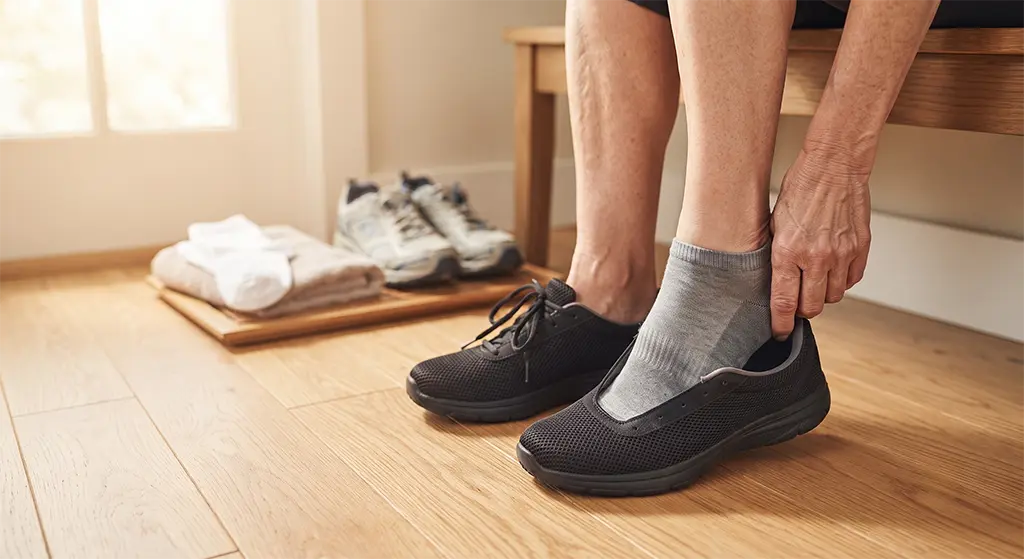
Wet socks and shoes rub differently than dry footwear. The foot may slide inside the shoe. Sand or debris may stick to damp skin. Straps may become more abrasive. Toes may grip harder to stabilize the shoe.
This can create:
- blisters
- hot spots
- strap marks
- heel irritation
- toe rubbing
- callus irritation
- burning after walking
- delayed nighttime flares
The friction may not hurt immediately if sensation is reduced. That is why inspection matters.
Why humidity increases fungal risk
Moisture between the toes creates a better environment for fungal irritation. In South Florida humidity, feet may stay damp even when you are not walking in rain. Shoes may not fully dry overnight, especially if they are closed, poorly ventilated, or worn repeatedly.
Warning signs include:
- peeling between toes
- itching
- odor
- white softened skin
- cracking
- redness
- burning with skin changes
Patients sometimes mistake every burning symptom for nerve pain, but skin irritation can add another layer of discomfort.
Rainy-day neuropathy flares
Rainy days can trigger neuropathy symptoms through several mechanisms:
- shoes become damp
- socks rub more
- floors become slippery
- patients walk differently to avoid puddles
- sandals slide
- skin softens
- balance demand increases
- cold wet feet can increase numbness
A patient may not flare during the rain but may notice burning or buzzing later at night.
Beach and boat-day moisture
Beach days and boat days add saltwater, sand, wet sandals, and sun exposure. Saltwater can dry skin after it evaporates, while wet shoes and sand increase friction. Walking from wet sand to hot pavement can also create temperature stress.
After beach or boat activity:
- rinse feet
- dry carefully
- inspect between toes
- check strap-contact areas
- change into dry footwear
- avoid staying in wet socks or shoes for hours
What to do if your shoes get wet
Remove wet shoes as soon as possible
Do not stay in wet footwear for hours if you can avoid it.
Dry between toes
Use a towel carefully. Moisture between toes is a common problem area.
Change socks
Carry a dry pair if you are walking long distances, traveling, or expecting rain.
Inspect skin
Look for redness, blisters, cuts, peeling, cracks, or pressure marks.
Let shoes dry fully
Rotating shoes helps prevent wearing damp footwear again the next day.
Choosing footwear for humid climates
Look for shoes that are:
- breathable
- secure at the heel
- roomy in the toe box
- not overly tight
- supportive enough for long walking
- easy to dry
- not rough inside
Avoid wearing wet flip-flops for long walks. They often cause toe gripping and strap friction.
How the Dr. Alfonso Neuropathy Treatment Protocol helps
The Dr. Alfonso Neuropathy Treatment Protocol supports the nerve environment by focusing on:
- 🩸 Microcirculation to the feet and legs
- ⚡ Nerve signaling stability and repair support
- 🌿 Inflammation and oxidative stress reduction
- 🧠 Metabolic foundations that influence nerve sensitivity and healing
Dry-foot habits protect the skin from the outside. Nerve-focused care supports the tissue from the inside. Both matter.
When to seek evaluation
Seek evaluation if:
- wet shoes repeatedly trigger burning or wounds
- you develop blisters you did not feel
- skin cracks or peels between toes
- odor, drainage, or redness appears
- numbness is worsening
- foot wounds are slow to heal
FAQs
Can wet shoes make neuropathy worse?
Wet shoes can increase friction, skin irritation, blisters, and fungal risk, which may worsen burning and discomfort.
Why do damp socks bother my feet?
Damp socks rub more and keep skin soft, making pressure injuries more likely.
Should neuropathy patients walk in wet sandals?
Use caution. Wet sandals can slide, rub, and create blisters, especially when sensation is reduced.
What is the safest habit after rain or beach walking?
Dry your feet, change socks or shoes, inspect skin, and avoid staying in wet footwear.
References
- NINDS: Peripheral Neuropathy overview
- CDC: Foot care and daily inspection guidance
Clinic: Neuropathy Relief Center of Miami
Address: 8585 Sunset Drive, Suite 104, Miami, FL 33143
Call: 305-274-7475
Learn more: Neuropathy Treatment Miami
Book your consultation today: Appointments

Sincerely Yours for Health,
Dr. Rodolfo Alfonso, D.C.
8585 Sunset Drive,
STE 104
Miami, FL 33143
Ph: 305-275.7475
www.neuropathyreliefmia