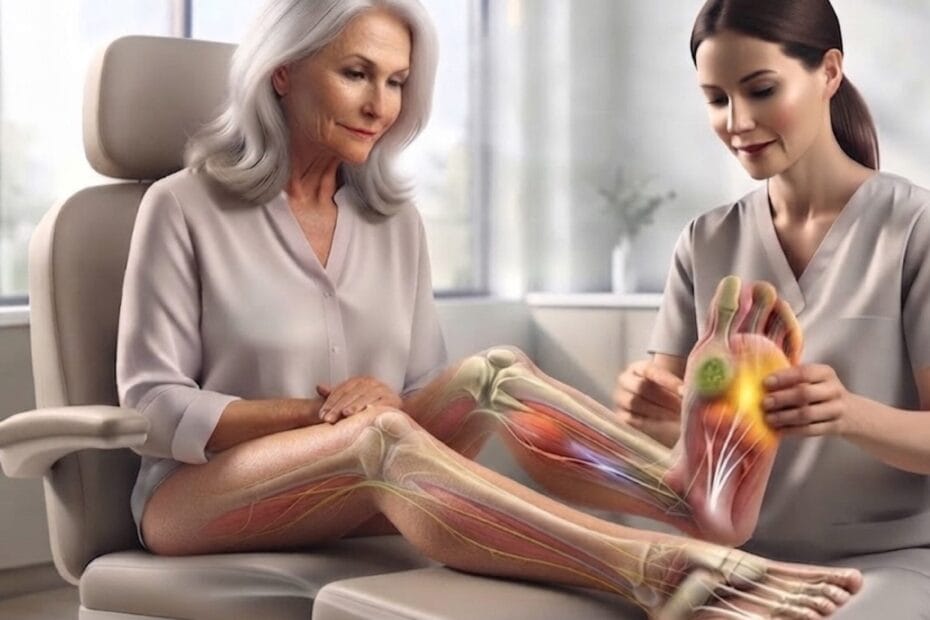
Foot calluses are not just cosmetic when you have neuropathy. Hard skin can hide pressure, friction, and early skin breakdown especially when sensation is reduced. Daily inspection, better footwear, and nerve-focused care can reduce the risk that a small pressure spot becomes a wound.
- Calluses can signal repeated pressure, which matters more when sensation is reduced.
- Neuropathy can prevent you from feeling friction damage early.
- Best results come from foot protection, pressure reduction, and improving nerve health.
Last updated: April 14, 2026
Reviewed by: Neuropathy Relief Center of Miami team
A callus may look harmless, but with neuropathy it can become a warning sign.
Many patients say, “It is just hard skin,” until they discover redness, cracking, bleeding, or an ulcer underneath. When protective sensation is reduced, a callus can hide pressure damage you do not feel.
At the Neuropathy Relief Center of Miami, we see this in patients across Miami, Fort Lauderdale, Miami-Dade County, Broward County, and the Florida Keys. We also see visitors from the USA, Colombia, Chile, Argentina, Mexico, and the Caribbean who develop friction problems during travel, beach days, long walks, and sandals in hot weather.
This blog is educational. If you have diabetes, poor circulation, open skin, drainage, or spreading redness, seek professional care promptly.
Why calluses form
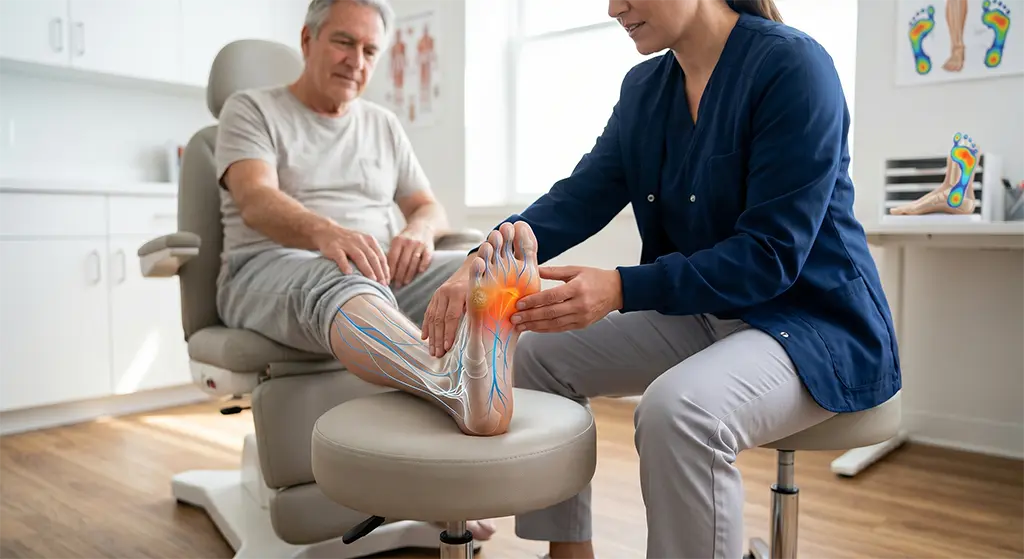
Calluses form when the skin responds to repeated pressure or friction. Common areas include:
- Ball of the foot
- Heel
- Side of the big toe
- Outside edge of the foot
- Tops of toes from shoe rubbing
In a person with full sensation, calluses may be annoying. In a person with neuropathy, calluses can hide risk.
Why calluses matter more with neuropathy
Reduced pain warning
Normally, pain tells you to change shoes, shift pressure, or stop walking. Neuropathy can reduce that warning system, so pressure continues longer.
Hard skin increases focal pressure
A thick callus can become like a small stone under the skin. Pressure concentrates in one spot, increasing risk of deeper tissue irritation.
Cracks create entry points
Dry callused skin can crack. Cracks allow bacteria and fungus to enter, especially in humid climates.
Wounds can develop underneath
A callus may cover early tissue damage. By the time it is visible, the problem may be more serious.
Why South Florida lifestyle increases callus risk
Miami and the Florida Keys create unique triggers:
- Sandals and flip-flops
- Barefoot tile floors
- Hot pavement
- Sand and shells
- Long walking days
- Sweat and humidity
- Shoes worn without socks
Visitors from the Caribbean and Latin America may also walk more during travel and use footwear that is not ideal for long days.
Warning signs around a callus
Do not ignore:
- Redness around the callus
- Warmth or swelling
- Dark spot under the skin
- Drainage
- Odor
- Cracking or bleeding
- Pain that is new or worsening
If sensation is reduced, lack of pain does not mean lack of danger.
What to do this week
Inspect daily
Look at the soles, heels, toes, and between toes. Use a mirror or phone camera if needed.
Do not cut deep calluses yourself
Avoid blades or aggressive trimming. A small cut can become a major problem when sensation is reduced.
Reduce pressure at the source
Ask:
- Is my toe box too narrow?
- Are my sandals creating repeated friction?
- Do my shoes slide?
- Is one area always red after walking?
Upgrade footwear
Use stable, protective shoes for long walking days. A roomy toe box and secure heel can reduce friction.
Moisturize safely
Moisturize dry heels and callused areas, but avoid heavy moisture between toes to reduce fungal risk.
How the Dr. Alfonso Neuropathy Treatment Protocol helps
The Dr. Alfonso Neuropathy Treatment Protocol supports:
- Microcirculation for tissue resilience
- Nerve signaling stability
- Inflammation and oxidative stress reduction
- Metabolic foundations that influence healing
Improved nerve function can improve protective feedback over time. But callus and pressure care must happen immediately because skin breakdown risk is present now.
When to seek professional foot care
Seek professional care if:
- You have diabetes or known circulation problems
- Calluses are thick or recurrent
- Skin cracks or bleeds
- There is redness, swelling, drainage, or odor
- You cannot safely trim nails or inspect feet
FAQs
Are calluses dangerous with neuropathy?
They can be. Calluses can hide pressure damage and increase ulcer risk when sensation is reduced.
Should I cut calluses myself?
Avoid aggressive self-trimming, especially with reduced sensation or diabetes risk. Professional care is safer.
Why do calluses keep coming back?
Repeated pressure or friction is still present. Footwear, gait, and swelling patterns should be evaluated.
Can neuropathy treatment reduce callus risk?
Treatment can improve nerve function and tissue resilience, but pressure reduction and foot care are still essential.
References
- CDC: Diabetes and foot care daily inspection guidance
- NINDS: Peripheral Neuropathy overview
Clinic: Neuropathy Relief Center of Miami
Address: 8585 Sunset Drive, Suite 104, Miami, FL 33143
Call: 305-274-7475
Learn more: Neuropathy Treatment Miami
Book your consultation today: Appointments

Sincerely Yours for Health,
Dr. Rodolfo Alfonso, D.C.
8585 Sunset Drive,
STE 104
Miami, FL 33143
Ph: 305-275.7475
www.neuropathyreliefmia