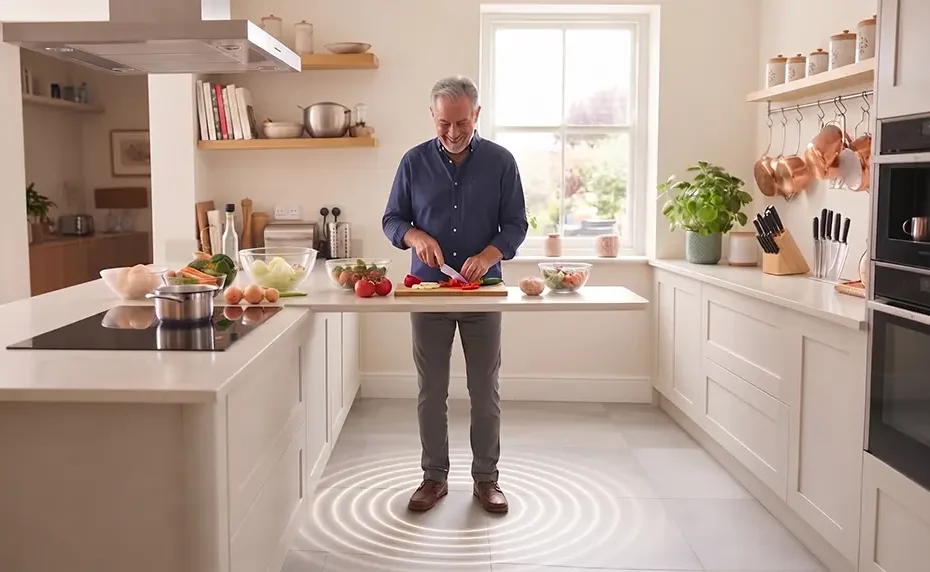
Cooking can be riskier for neuropathy patients than most people realize. Damaged peripheral nerves can reduce sensation in the hands or feet, making it harder to feel burns, cuts, slippery floors, pressure, or fatigue. Long standing on tile, hot pans, knives, spills, and carrying dishes can all increase risk. Kitchen safety is part of neuropathy care because it protects independence.
● Neuropathy can affect foot balance, hand sensation, and temperature awareness. ● Kitchens combine heat, knives, spills, tile floors, and long standing.
● The Dr. Alfonso Neuropathy Treatment Protocol supports damaged peripheral nerves while safer daily habits reduce injury risk.
Last updated: April 14, 2026
Reviewed by: Neuropathy Relief Center of Miami team
Cooking is a daily activity that requires balance, hand control, foot stability, temperature awareness, and attention. For neuropathy patients, the kitchen can become a hidden risk zone.
Patients often say:
● “My feet burn when I stand at the counter.”
● “I feel unstable on the kitchen tile.”
● “My hands feel numb when cutting food.”
● “I burned myself and did not feel it right away.”
● “I dropped a dish because my fingers felt weak.”
● “Cooking dinner makes my feet flare at night.”
At the Neuropathy Relief Center of Miami, we see this in patients across Miami, Fort Lauderdale, Miami-Dade County, Broward County, and the Florida Keys, and in visitors from the USA, Colombia, Chile, Argentina, Mexico, and the Caribbean. Many South Florida homes and condos have tile floors, small kitchens, strong air conditioning, and limited space, which can increase fall and injury risk.
This blog is educational. Seek medical evaluation if you have burns, wounds, infection signs, repeated falls, worsening hand weakness, or sudden neurological symptoms.
Why kitchens are risky with neuropathy
Kitchens combine several hazards:
● hot pans
● boiling water
● knives
● wet floors
● tile surfaces
● dropped food
● long standing
● reaching overhead
● carrying dishes
● rugs or mats
● crowded counters
When peripheral nerves are damaged, the body may not warn you quickly enough about heat, pressure, sharpness, or slipping.
Foot symptoms while cooking
Standing at the counter can trigger neuropathy symptoms because the feet remain under pressure with little movement. Tile floors make the problem worse because they are hard and unforgiving.
Patients may feel:
● burning under the feet
● heel pain
● forefoot pressure
● toe numbness
● calf fatigue
● tight-sock sensation
● balance insecurity
● symptoms that worsen after dinner
Supportive indoor footwear can make a major difference.
Hand symptoms while cooking
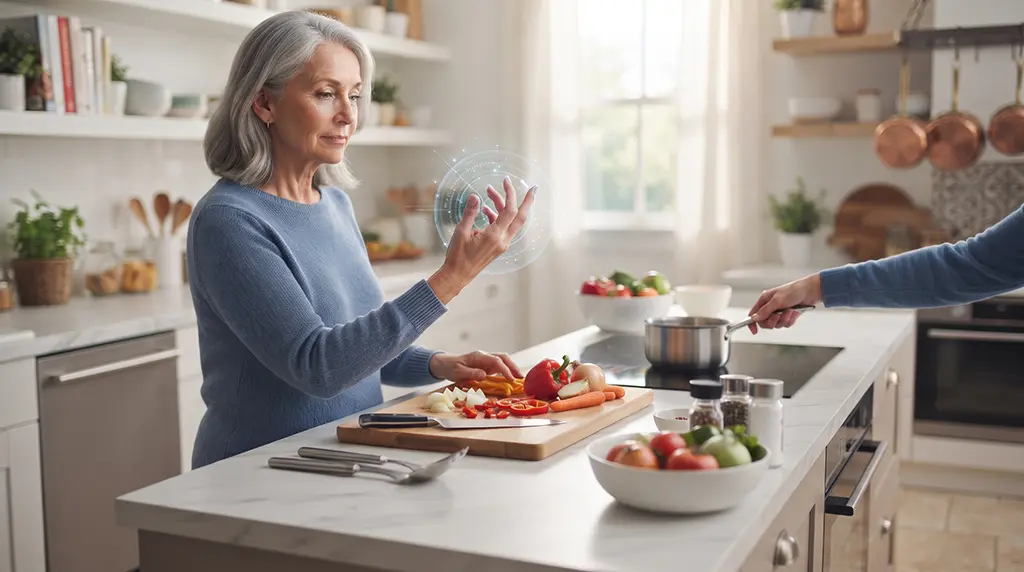
Neuropathy can affect the hands as well as the feet. Hand symptoms may include numbness, tingling, burning, weakness, or clumsiness.
This can increase risk when:
● chopping vegetables
● handling knives
● lifting hot pans
● opening jars
● carrying plates
● gripping utensils
● checking water temperature
● using appliances
If fingertips do not feel normally, use extra caution with heat and sharp objects.
Burns may not hurt enough
A neuropathy patient may touch a hot pan, hot plate, hot water, or oven rack and not feel the full warning immediately. That delay can allow a more serious burn.
Safety steps:
● use oven mitts consistently
● avoid testing water with numb hands or feet
● turn pan handles inward
● use timers
● keep hot items clearly separated
● inspect skin after suspected burns
● seek care for blistering or open skin
Kitchen floor safety
Wet tile is a fall risk. A small spill can be dangerous if the feet are numb or balance is reduced.
Reduce risk by:
● wiping spills immediately
● avoiding loose kitchen rugs
● using non-slip mats only if secure
● wearing stable shoes
● keeping walkways clear
● avoiding rushing while carrying hot items
● improving lighting
Cooking fatigue and nighttime flares
A patient may feel okay while preparing food but flare later. This delayed pattern may come from long standing, hard floors, heat exposure, stress, and foot swelling.
A safer routine may include:
● sitting for prep tasks
● using supportive shoes
● taking short movement breaks
● preparing food earlier in the day
● avoiding long barefoot standing
● keeping meals simple during flares
● checking feet after cooking
How the Dr. Alfonso Neuropathy Treatment Protocol helps
The Dr. Alfonso Neuropathy Treatment Protocol supports damaged peripheral nerves by focusing on:
● 🩸 Microcirculation to the hands, feet, and legs
● ⚡ Nerve signaling stability and repair support
● 🌿 Inflammation and oxidative stress reduction
● 🧠 Metabolic foundations that influence nerve sensitivity, balance, and healing
As nerve signaling improves, many patients report better awareness, better walking confidence, and fewer daily activity flares.
When to seek evaluation
Seek evaluation if:
● standing in the kitchen triggers burning
● hand numbness affects cooking safety
● you drop objects frequently
● you cannot feel heat normally
● you have burns or wounds
● balance feels unsafe on tile
● symptoms are worsening
FAQs
Can neuropathy make cooking dangerous?
Yes. Reduced sensation can make it harder to detect heat, sharp tools, slippery floors, and fatigue.
Why do my feet burn when I cook?
Long standing on hard tile can increase pressure, swelling, and nerve irritation.
Can neuropathy affect my hands while cooking?
Yes. Hand neuropathy can affect grip, fingertip sensation, and fine motor control.
What kitchen changes help neuropathy patients?
Stable shoes, clear floors, secure mats, good lighting, sitting for prep, and careful heat protection can reduce risk.
References
● NINDS: Peripheral Neuropathy overview
● CDC: Foot care, fall prevention, and home safety guidance
Clinic: Neuropathy Relief Center of Miami
Address: 8585 Sunset Drive, Suite 104, Miami, FL 33143
Call: 305-274-7475
Learn more: Neuropathy Treatment Miami
Book your consultation today: Appointments

Sincerely Yours for Health,
Dr. Rodolfo Alfonso, D.C.
8585 Sunset Drive,
STE 104
Miami, FL 33143
Ph: 305-275.7475
www.neuropathyreliefmia