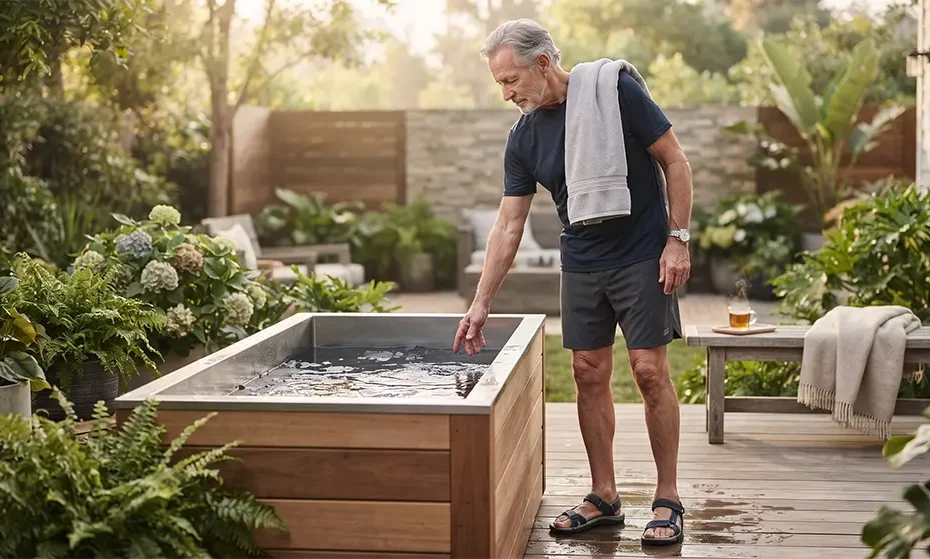
Cold plunges, ice baths, and extreme cold exposure are popular for recovery, but they can be risky for neuropathy patients. Reduced sensation can make it harder to judge temperature injury, and extreme cold can worsen numbness, burning rebound, cramps, or skin problems in some people. Neuropathy patients should use caution and avoid extreme exposure unless cleared by a qualified provider.
- Neuropathy can reduce accurate temperature sensation, increasing cold-injury risk.
- Extreme cold may worsen numbness, cramping, or rebound burning in sensitive nerves.
- Safer recovery habits and the Dr. Alfonso Neuropathy Treatment Protocol can support nerve resilience without unnecessary risk.
Last updated: April 14, 2026
Reviewed by: Neuropathy Relief Center of Miami team
Cold plunges and ice baths have become popular. Many people use them for recovery, inflammation, stress resilience, and wellness. But neuropathy patients need a different safety conversation.
Patients often ask:
- “Can I do a cold plunge with neuropathy?”
- “Ice makes my feet numb—is that bad?”
- “My feet burn after cold exposure.”
- “Cold water feels good at first, then symptoms rebound.”
- “I can’t tell how cold my feet are.”
At the Neuropathy Relief Center of Miami, we see this in patients across Miami, Fort Lauderdale, Miami-Dade County, Broward County, and the Florida Keys, and in visitors from the USA, Colombia, Chile, Argentina, Mexico, and the Caribbean. Even in warm climates, cold exposure happens through ice baths, cold pools, strong air conditioning, grocery stores, tile floors, and ocean temperature changes.
This blog is educational. If you have diabetes, circulation disease, heart disease, blood pressure issues, wounds, severe numbness, Raynaud’s-type symptoms, or medication concerns, speak with your provider before cold plunges or ice baths.
Why cold exposure is different with neuropathy
Neuropathy affects nerve signaling. If nerves do not accurately report temperature, the body may not warn you when cold is too intense or too prolonged.
Cold exposure can affect:
- skin temperature
- blood vessel constriction
- nerve firing
- muscle cramping
- balance
- pain sensitivity
- skin injury risk
For someone with full sensation, discomfort provides a warning. For someone with reduced sensation, that warning may be delayed or unreliable.
Cold can worsen numbness
If your feet already feel numb, cold may make them feel more disconnected from the ground. That can increase fall risk after getting out of cold water or walking on wet surfaces.
A common sequence:
- Feet enter cold water
- Numbness increases
- Balance feedback drops
- Patient steps out onto wet tile
- Fall risk increases
This is especially important around pools, spas, gyms, and bathrooms.
Rebound burning after cold
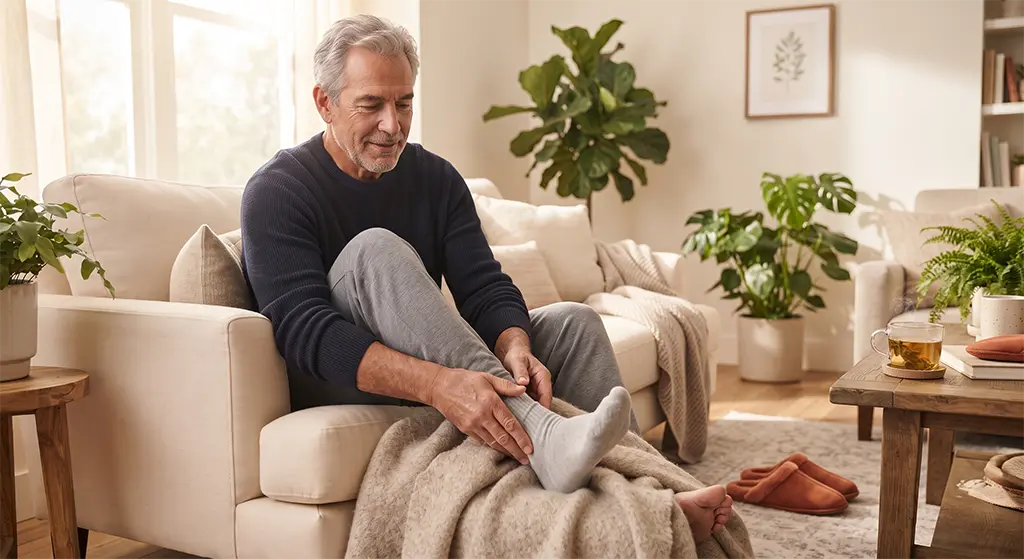
Some neuropathy patients feel relief during cold exposure, then burning returns more strongly afterward. This rebound can happen when blood flow and nerve sensitivity shift after rewarming.
Patients may describe:
- feet feel frozen first
- then hot or burning later
- tingling increases after rewarming
- cramps appear at night
- symptoms disrupt sleep
If this happens repeatedly, extreme cold may not be a good recovery tool for that patient.
Skin safety concerns
Cold injury does not require freezing temperatures if exposure is intense enough or circulation is impaired. Patients with reduced sensation may not feel warning pain early.
Watch for:
- persistent redness
- white or waxy skin
- blue/purple discoloration
- blistering
- numbness that does not resolve
- swelling
- skin pain after rewarming
These signs need medical attention.
Cold plunge vs cool recovery
There is a difference between gentle cooling and extreme cold exposure. Neuropathy patients may tolerate a cool room, cool water rinse, or mild temperature reduction better than an ice bath.
The goal is symptom control, not proving toughness.
Safer recovery alternatives
Consider safer options such as:
- gentle walking cool-down
- hydration
- brief elevation
- room-temperature foot rinse
- breathable footwear
- lighter bedding
- controlled temperature environment
- provider-guided rehab
These approaches may reduce flares without extreme temperature stress.
How the Dr. Alfonso Neuropathy Treatment Protocol helps
The Dr. Alfonso Neuropathy Treatment Protocol supports nerve recovery by focusing on:
- 🩸 Microcirculation
- ⚡ Nerve signaling stability and repair support
- 🌿 Inflammation and oxidative stress reduction
- 🧠 Metabolic foundations that influence nerve excitability
As nerve signaling becomes more stable, patients often become less reactive to temperature extremes. Until then, avoiding unnecessary cold stress may be wise.
When to avoid cold plunge
Avoid cold plunges unless cleared by a provider if you have:
- severe numbness
- wounds or open skin
- diabetes-related foot risk
- poor circulation
- heart disease
- uncontrolled blood pressure
- dizziness or fainting risk
- color changes in feet
- history of cold injury
FAQs
Are cold plunges safe with neuropathy?
They may be risky because reduced sensation can make it harder to detect cold injury or worsening numbness.
Why do my feet burn after cold exposure?
Rewarming and nerve sensitivity shifts can create rebound burning in some neuropathy patients.
Is mild cooling better than ice baths?
Often yes. Gentle temperature control may reduce symptoms without extreme cold stress.
Can treatment improve temperature tolerance?
Many patients improve as microcirculation and nerve signaling become more stable.
References
- NINDS: Peripheral Neuropathy overview
- CDC: Foot inspection and skin safety guidance
Clinic: Neuropathy Relief Center of Miami
Address: 8585 Sunset Drive, Suite 104, Miami, FL 33143
Call: 305-274-7475
Learn more: Neuropathy Treatment Miami
Book your consultation today: Appointments

Sincerely Yours for Health,
Dr. Rodolfo Alfonso, D.C.
8585 Sunset Drive,
STE 104
Miami, FL 33143
Ph: 305-275.7475
www.neuropathyreliefmia