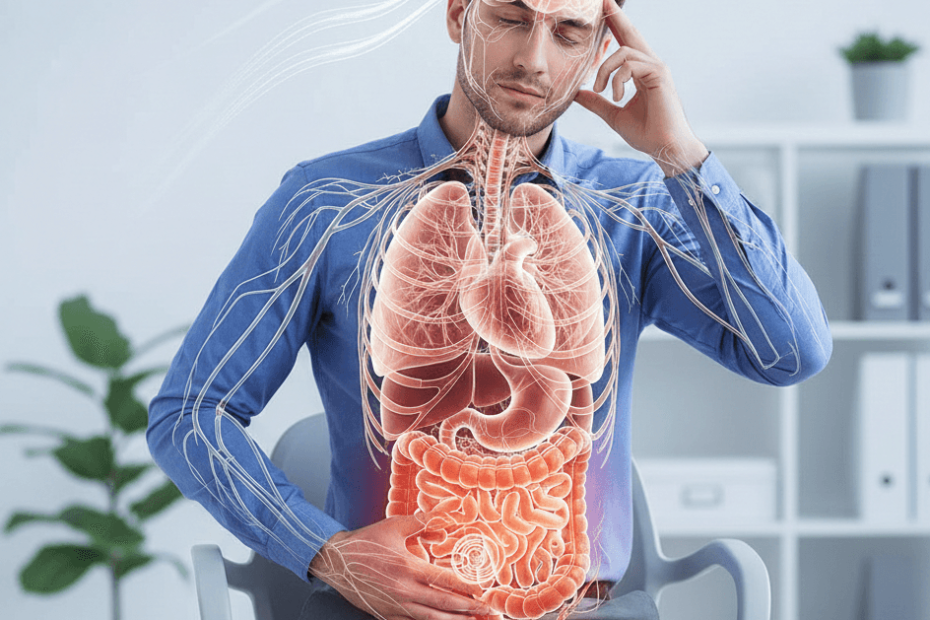
Neuropathy Isn’t Just About the Feet
Most people think of neuropathy as burning, tingling, or numbness in the feet. But there is another type of nerve damage called autonomic Neuropathy that can affect the systems you don’t consciously control, such as:
- Heart rate and blood pressure.
- Digestion.
- Sweating and temperature regulation.
- Bladder function.
- Sexual function.
At the Neuropathy Relief Center of Miami, we see patients from Miami, Fort Lauderdale, Miami-Dade County, Broward County, the Florida Keys, and across Florida, as well as from the USA, Central and South America (Colombia, Chile, Argentina, Mexico) and the Caribbean, who are surprised to learn that their “mystery” symptoms are actually connected to neuropathy.
What Is Autonomic Neuropathy?
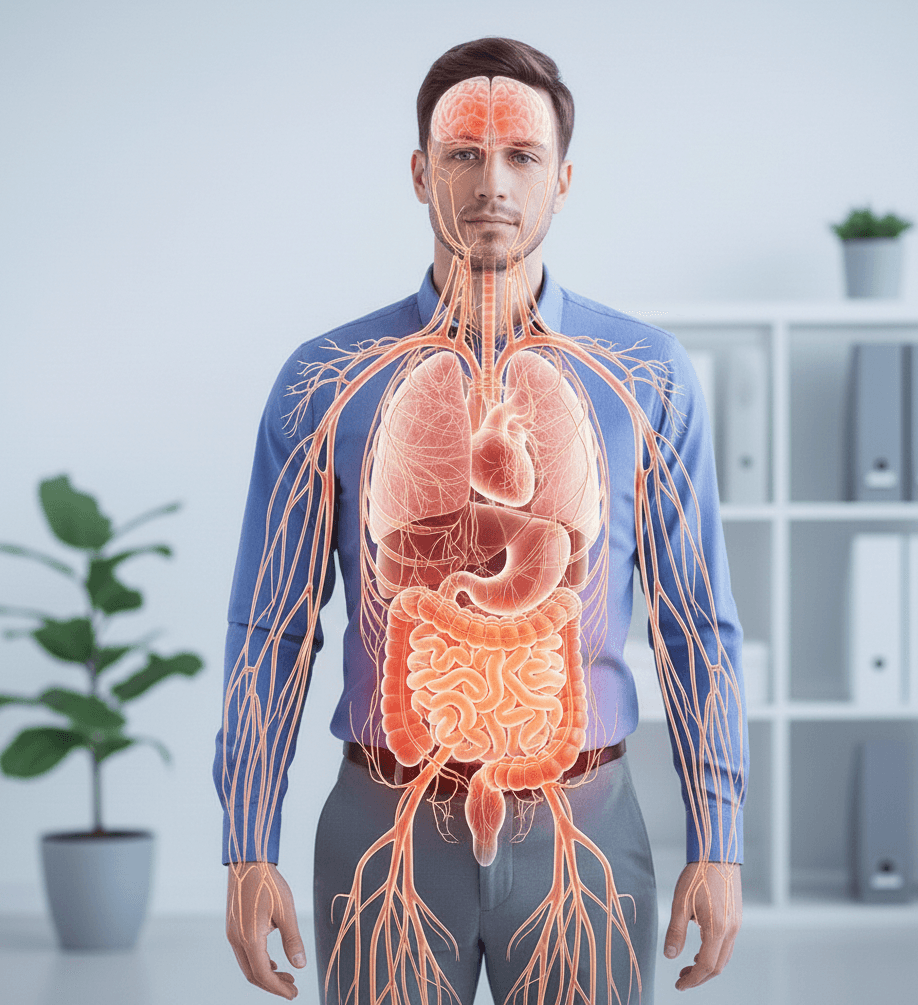
Your autonomic nervous system runs in the background all day, controlling:
- Heartbeat and circulation.
- Breathing rhythm.
- Stomach and intestinal movement.
- Sweating and body temperature.
- Bladder and bowel function.
When these nerves are damaged, signals become disorganized. That can cause symptoms in multiple systems at once, which is why autonomic neuropathy is often misunderstood or misdiagnosed.
Common Symptoms of Autonomic Neuropathy
Symptoms vary, but may include:
- Blood pressure and heart rate changes
- Feeling dizzy or lightheaded when standing up.
- Rapid heart rate or palpitations.
- Digestive issues
- Bloating, early fullness.
- Slow digestion or constipation.
- Nausea after eating.
- Sweating and temperature problems
- Sweating too much or too little.
- Trouble tolerating heat or humidity (a big issue in South Florida and the Caribbean).
- Bladder and sexual function
- Difficulty fully emptying the bladder.
- Increased urinary frequency or urgency.
- Erectile dysfunction or decreased sexual response.
Many patients are bounced between cardiology, GI, urology, and other specialties before someone connects the dots: this may be autonomic nerve involvement.
Who Is at Risk for Autonomic Neuropathy?
Autonomic neuropathy is more common if you have:
- Diabetes or prediabetes.
- Long-standing metabolic syndrome.
- Certain autoimmune conditions.
- Alcohol overuse or some medication exposures.
- Other forms of neuropathy already diagnosed.
However, it can also appear in people who were previously told their neuropathy is “idiopathic” (cause unknown).
Why These Symptoms Are Easy to Dismiss
Because autonomic neuropathy can affect several systems at once, patients may hear:
- “It’s just stress.”
- “It’s just getting older.”
- “Your tests look normal let’s just watch it.”
Meanwhile, their quality of life continues to slide:
- Eating becomes uncomfortable.
- Standing up becomes risky.
- Intimacy suffers.
- Heat and humidity feel unbearable.
In regions like Miami, the Florida Keys, Latin America, and the Caribbean, where climate is hot and humid, autonomic symptoms can be especially disruptive.
How the Dr. Alfonso Neuropathy Treatment Protocol Can Help
At the Neuropathy Relief Center of Miami, the Dr. Alfonso Neuropathy Treatment Protocol is designed to support overall nerve health, not just nerves in the feet.
The protocol focuses on:
- 🩸 Improving microcirculation to nerves throughout the body, including autonomic fibers.
- ⚡ Supporting nerve repair and more accurate signaling, which may help stabilize blood pressure, digestion, and other functions.
- 🌿 Reducing inflammation and oxidative stress, key players in autonomic nerve damage.
- 🧠 Supporting metabolic balance, especially blood sugar and cardiometabolic health.
While autonomic neuropathy often requires coordination with your other doctors (cardiology, endocrinology, GI, etc.), focusing directly on nerve health can be an important piece of the puzzle.
Practical Steps If You Suspect Autonomic Neuropathy
Alongside treatment, practical measures can help:
- Stand up slowly; pause sitting on the edge of the bed before standing.
- Stay well hydrated, especially in hot climates.
- Eat smaller, more frequent meals if large meals cause bloating or nausea.
- Work with your doctors on blood pressure, blood sugar, and medication review.
- Track your symptoms in a simple daily journal to identify patterns.
These habits do not replace nerve-directed care, but they can make day-to-day life safer and more manageable.
You’re Not “Falling Apart”- Your Nerves Need Help
If multiple body systems seem to be acting up, it’s easy to feel like everything is falling apart. In reality, a single underlying problem autonomic neuropathy may be connecting many of your symptoms.
Learn more: Neuropathy Treatment Miami
Book your consultation today: Appointments
👉 Schedule your consultation today: Call 305-274-7475 to contact the Neuropathy Relief Center of Miami.

Sincerely Yours for Health,
Dr. Rodolfo Alfonso, D.C.
8585 Sunset Drive,
STE 104
Miami, FL 33143
Ph: 305-275.7475
www.neuropathyreliefmia