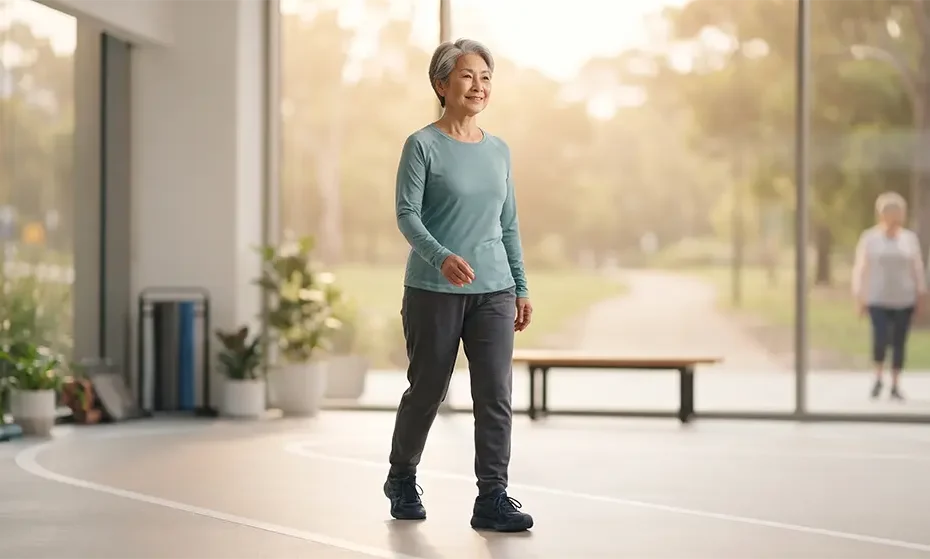
Exercise can help many neuropathy patients, but the wrong dose can trigger burning, tingling, cramps, or nighttime flares. The goal is not to stop moving it is to find the right intensity, footwear, hydration, recovery timing, and treatment plan so activity builds nerve resilience instead of triggering repeated setbacks.
- Movement supports circulation, balance, and metabolic health, but overdoing it can flare sensitive nerves.
- Delayed nighttime burning after exercise often comes from heat, swelling, pressure, and nervous system fatigue.
- A structured plan plus the Dr. Alfonso Neuropathy Treatment Protocol can help patients build tolerance safely
Last updated: April 14, 2026
Reviewed by: Neuropathy Relief Center of Miami team
Many neuropathy patients are confused about exercise. One provider says, “Walk more.” Another says, “Don’t overdo it.” The patient tries to be active, then their feet burn at night and they wonder if exercise made the neuropathy worse.
Patients often say:
- “Walking helps at first, but later my feet burn.”
- “Exercise makes my toes buzz at night.”
- “I want to be active, but I’m afraid of flares.”
- “My legs feel heavy after workouts.”
- “How do I know if soreness is normal or nerve irritation?”
At the Neuropathy Relief Center of Miami, we see this in patients across Miami, Fort Lauderdale, Miami-Dade County, Broward County, and the Florida Keys, as well as visitors from the USA, Colombia, Chile, Argentina, Mexico, and the Caribbean who want to stay active while managing symptoms.
This blog is educational. If exercise causes chest pain, severe weakness, falls, one-sided swelling, or rapidly worsening neurological symptoms, seek medical care.
Exercise is not the enemy
Movement can be extremely valuable for neuropathy. It supports circulation, muscle function, balance, glucose handling, joint mobility, and mood. Complete inactivity often makes symptoms and function worse over time.
The issue is dose.
Just like a medication can be helpful at the right dose and harmful at the wrong dose, exercise needs to be matched to your current nerve tolerance.
Why exercise can trigger neuropathy flares
Increased pressure on sensitive feet
Walking, stairs, and workouts increase pressure through the feet. If nerves are irritated, pressure can trigger burning, tingling, or stabbing sensations.
Heat builds during activity
Exercise increases body temperature. Heat can amplify nerve sensitivity in many patients.
Swelling rises after load
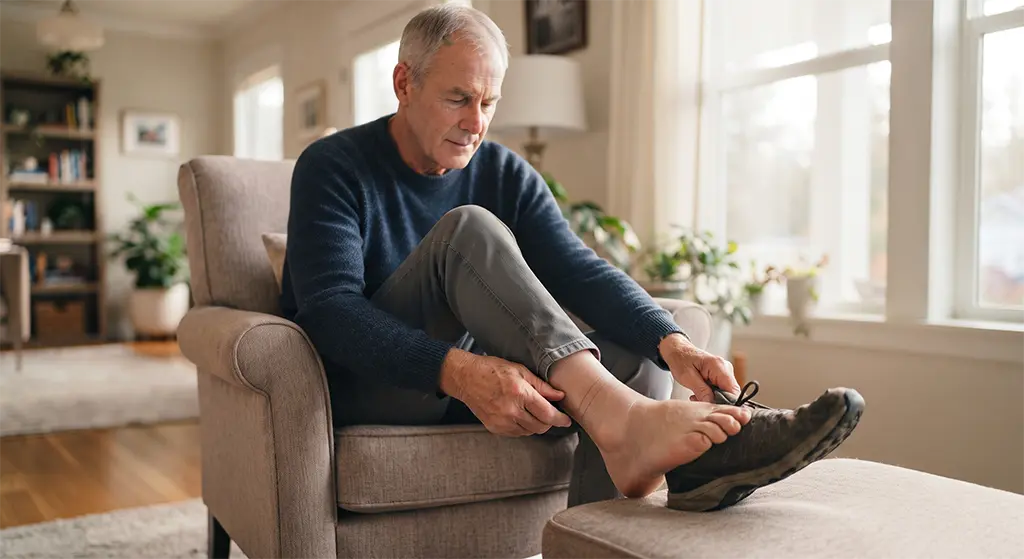
Activity can increase fluid shifts in the feet and ankles. Swelling increases tissue pressure, which can make symptoms louder later.
Nerves fatigue too
Neuropathy is not just a pain issue. It can affect nerve-muscle timing. When the nervous system becomes tired, balance and coordination may worsen.
The delayed exercise flare
A common pattern:
- Exercise feels okay
- Feet feel warm afterward
- Swelling increases later
- Shoes or socks feel tighter
- Burning spikes at night
- Sleep worsens
- Next day symptoms are louder
This does not always mean exercise was “bad.” It may mean the dose, recovery, footwear, or timing needs adjustment.
Good stress vs flare stress
Exercise should create an adaptation signal, not a nervous system overload.
Good exercise response
- symptoms mild and temporary
- recovery within hours
- no sleep disruption
- function improves over time
- confidence increases
Flare response
- burning spikes at night
- symptoms last 24–48+ hours
- balance worsens
- cramps increase
- sleep is disrupted
- activity tolerance decreases afterward
If you repeatedly get flare responses, the plan needs adjustment.
How to build tolerance safely
Start below your limit
If 30 minutes of walking flares you, start with 10–15 minutes and build gradually. The nervous system prefers consistency over heroic effort.
Use intervals
Instead of one long walk, try two or three shorter walks. This reduces pressure accumulation.
Choose the right surface
Hard floors, beach sand, and hills create more demand. Flat, predictable surfaces are often better at first.
Wear stable shoes
Exercise in stable shoes with a roomy toe box and secure heel. Avoid thin sandals or worn-out shoes.
Recover before symptoms peak
After activity, use gentle cool-down walking, hydration, brief elevation, and foot inspection.
Why South Florida changes exercise planning
In Miami, Fort Lauderdale, Miami-Dade, Broward, and the Florida Keys, heat and humidity make exercise dosing more important. A walk that is easy in cool weather may flare symptoms in the heat.
Outdoor triggers include:
- hot pavement
- beach sand
- humidity
- sweating and friction
- dehydration
- sandals after workouts
- long standing after exercise
Exercise timing matters. Many patients do better earlier in the day or in cooler environments.
How the Dr. Alfonso Neuropathy Treatment Protocol helps
The Dr. Alfonso Neuropathy Treatment Protocol supports:
- 🩸 Microcirculation to nerves and muscles
- ⚡ Nerve signaling stability and repair support
- 🌿 Inflammation and oxidative stress reduction
- 🧠 Metabolic foundations that influence nerve resilience
As nerve function improves, patients often tolerate more activity with fewer delayed flares. The goal is not just symptom relief; it is better capacity for real life.
When to seek evaluation
Seek evaluation if:
- exercise flares are increasing
- symptoms last more than 48 hours
- balance worsens after activity
- you develop wounds or hot spots
- numbness spreads upward
- you experience new weakness or foot slapping
FAQs
Is exercise good for neuropathy?
For many patients, yes. Movement supports circulation, balance, and metabolic health, but intensity must be appropriate.
Why do my feet burn at night after exercise?
Heat, swelling, pressure, and nerve fatigue can build after activity and become more noticeable at night.
Should I stop walking if it flares me?
Not necessarily. You may need shorter sessions, better footwear, cooler timing, and a gradual progression.
Can treatment improve exercise tolerance?
Many patients improve as nerve signaling, microcirculation, and recovery capacity improve.
References
- NINDS: Peripheral Neuropathy overview
- American Diabetes Association: Neuropathy, activity, and metabolic health education
Clinic: Neuropathy Relief Center of Miami
Address: 8585 Sunset Drive, Suite 104, Miami, FL 33143
Call: 305-274-7475
Learn more: Neuropathy Treatment Miami
Book your consultation today: Appointments

Sincerely Yours for Health,
Dr. Rodolfo Alfonso, D.C.
8585 Sunset Drive,
STE 104
Miami, FL 33143
Ph: 305-275.7475
www.neuropathyreliefmia