
Building a Movement Plan for Painful, Numb, or Burning Feet
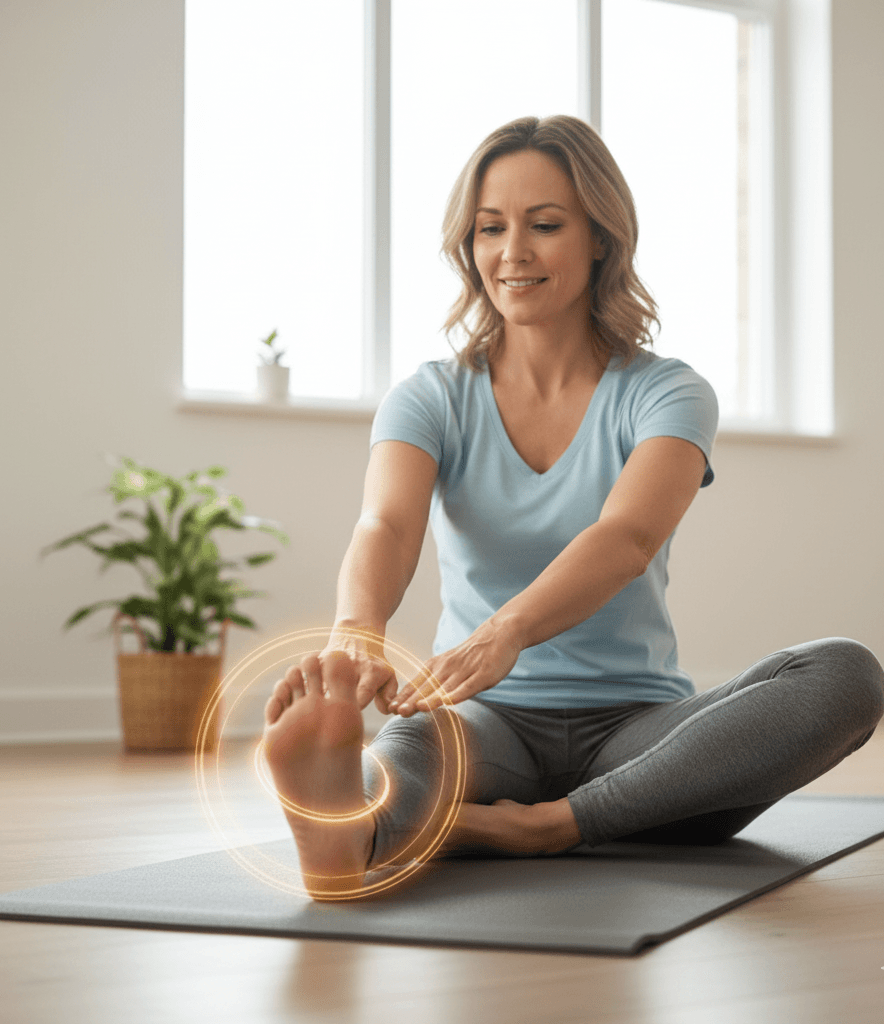
If you have neuropathy, exercise can feel confusing. On one hand, your doctor might say, “You need to move more.” On the other hand, your feet burn, tingle, or feel numb and the last thing you want is to make things worse.
At the Neuropathy Relief Center of Miami, located at 8585 Sunset Drive, Suite 104, Miami, FL 33143, we help patients from Miami, Fort Lauderdale, Miami-Dade County, Broward County, and the Florida Keys, as well as from the rest of Florida, the USA, Central and South America (including Colombia, Chile, Argentina, and Mexico), and the Caribbean, learn how to move safely and effectively with neuropathy.
Why Exercise Matters So Much If You Have Neuropathy
Done correctly, movement can:
- Improve circulation to the feet and legs.
- Support better blood sugar control, especially in diabetes and prediabetes.
- Help maintain muscle strength and balance, reducing fall risk.
- Boost energy, mood, and sleep quality.
The key is not “no pain, no gain.” With neuropathy, the goal is “smart movement, steady progress.”
Step 1: Know Your Baseline
Before you start or change an exercise routine, it’s important to know:
- How far you can comfortably walk right now.
- Which positions or activities flare your symptoms.
- Whether you feel unsteady on uneven surfaces or in the dark.
If you’re coming from another city in Florida, Central or South America, or the Caribbean to see us, we’ll review your current activity level and help set realistic starting goals.
Step 2: Choose the Right Types of Exercise
For most neuropathy patients, the best movement plan includes:
1. Low-Impact Aerobic Activity
Examples:
- Walking (on flat, safe surfaces).
- Stationary bike.
- Gentle elliptical.
Benefits:
- Supports circulation and heart health.
- Helps blood sugar and metabolism.
- Can be modified by pace and duration.
Start with 5-10 minutes, 3-5 days per week, and build up gradually.
2. Strength and Stability Work
Focus on:
- Legs and hips (for balance and walking).
- Core (for posture and spinal support).
- Ankles and feet (as tolerated).
Simple tools like resistance bands, bodyweight exercises, or light weights can be effective. The goal is control, not heavy lifting.
3. Gentle Flexibility and Nerve-Friendly Movement
Think:
- Light stretching.
- Gentle range-of-motion exercises.
- Ankle circles, toe taps, seated leg movements.
These keep joints mobile without overloading nerves.
Step 3: Protect Your Feet While You Move
Because neuropathy reduces sensation, your feet need extra protection during exercise:
- Wear supportive shoes with cushioning and a roomy toe box.
- Use moisture-wicking socks to avoid friction and blisters.
- Check your feet before and after activity for redness, hot spots, or sores.
In hot, humid climates like Miami, the Florida Keys, Central and South America, and the Caribbean, managing moisture and friction is especially important.
Step 4: Learn the Difference Between “Good” and “Bad” Discomfort
Some feelings are expected when you start moving more:
- Mild muscle soreness.
- Feeling a bit tired afterward.
But stop and talk to your provider if you notice:
- Sharp or electric pain that worsens with each step.
- New wounds, blisters, or skin breakdown.
- Sudden changes in strength or balance.
- Chest pain, shortness of breath, or severe dizziness.
Movement should challenge, not endanger you.
How the Dr. Alfonso Neuropathy Treatment Protocol Makes Exercise Easier
At the Neuropathy Relief Center of Miami, the Dr. Alfonso Neuropathy Treatment Protocol is designed to make movement more possible and more comfortable by:
- 🩸 Improving microcirculation to nerves in the feet and legs, helping them receive more oxygen and nutrients.
- ⚡ Stimulating nerve repair and communication with advanced, non-invasive technologies.
- 🌿 Reducing inflammation and oxidative stress, which often increase with inactivity and metabolic stress.
- 🧠 Supporting metabolic and nutritional balance so your body can respond better to exercise.
As nerves function better, many patients report:
- Less burning and tingling with activity.
- More confidence walking and standing.
- Improved stamina for daily life and travel.
- The ability to participate in exercise programs they had avoided for years.
Simple Weekly Framework to Get Started
Here’s an example starting point (adjusted based on your ability):
- 3 days/week of low-impact cardio (walking or bike) for 10-20 minutes.
- 2-3 days/week of light strength and balance work.
- Daily 5-10 minutes of flexibility / nerve-friendly movements.
Your plan should always be personalized, especially if you have heart disease, diabetes, or other medical conditions we coordinate with your doctor when needed.
You Don’t Have to Choose Between Your Nerves and Your Health
Avoiding all movement because of neuropathy can make nerves and overall health worse over time. The goal is not to become a marathon runner it’s to build a stronger, safer version of you, step by step.
Learn more: Neuropathy Treatment Miami
Book your consultation today: Appointments
👉 Schedule your consultation today: Call 305-274-7475 to contact the Neuropathy Relief Center of Miami.

Sincerely Yours for Health,
Dr. Rodolfo Alfonso, D.C.
8585 Sunset Drive,
STE 104
Miami, FL 33143
Ph: 305-275.7475
www.neuropathyreliefmia